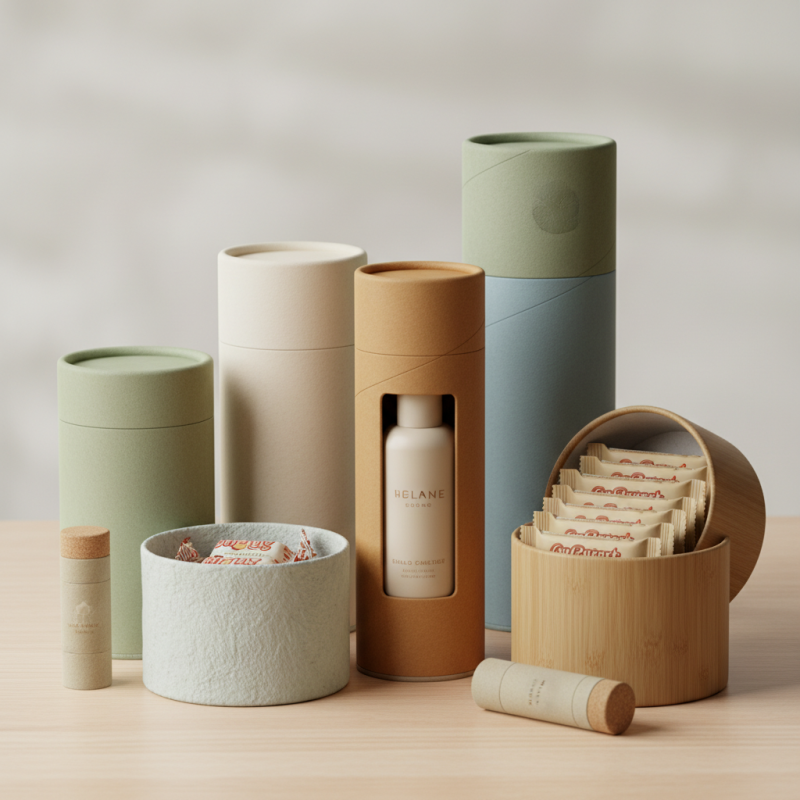
Cylindrical boxes are pretty versatile when it comes to packaging—they're used across tons of different industries. I remember talking to Alex Thompson from PackTech Solutions, and he put it really well: "Cylindrical boxes strike a nice balance between being functional and looking good." That’s a good way to sum up just how important they are for both showcasing products and keeping them safe.
In the world of cosmetics, these boxes really make high-end products stand out. They're super easy to stack and store, which makes them perfect for retail displays. And when it comes to food packaging, especially snacks or candies, cylindrical boxes are often the go-to because they catch your eye. Still, surprisingly, some companies kind of miss out on how awesome cylindrical packaging boxes can be.
Of course, coming up with creative designs isn’t always smooth sailing. Sometimes, it means higher production costs or more waste—those tricky little challenges. It’s really about finding that sweet spot between looking great and being practical. And with the growing focus on eco-friendly materials, things get a little more complicated. So yeah, while these boxes hold lots of potential, making them work right isn’t always straightforward—a little careful planning goes a long way.
What is a Cylindrical Box?
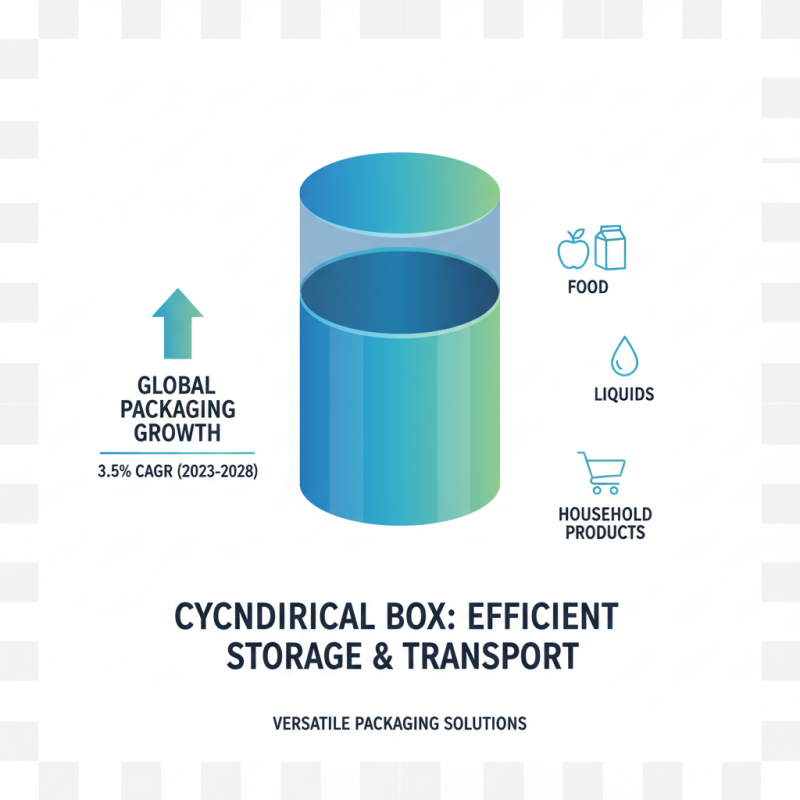
A cylindrical box is a three-dimensional shape with round ends and straight sides. Its design makes it efficient for storage and transport. The structure is ideal for holding items like food, liquids, and various household products. For instance, the global packaging industry is projected to grow significantly, with estimates showing a CAGR of 3.5% through 2028. This growth highlights the important role cylindrical boxes play in various markets.
These boxes come in many sizes, ranging from small containers for spices to large drums for chemicals. Their shape provides strength and stability, which is valuable for stacking and shipping. Many industries, including food and beverage, utilize cylindrical boxes for their practicality. However, one must consider sustainability. Many cylindrical boxes are made from plastic, which poses environmental concerns.
Tips: Choose biodegradable materials when possible. This choice can help reduce plastic waste. Additionally, consider the size of the box carefully. A box that is too large can waste materials and space. Remember, the best designs aren't always the most complicated. Sometimes, simplicity can lead to greater efficiency.
Physical Characteristics of a Cylindrical Box
A cylindrical box features three primary characteristics: its circular base, straight sides, and uniform height. The base provides stability. A cylindrical box can be crafted from various materials, including cardboard and metal. These materials can add to the box's durability. The round shape allows for efficient storage, maximizing space.
Cylindrical Boxes have practical applications in various fields. They are commonly used in packaging and shipping. Their unique geometry makes them ideal for containing items like tubes, bottles, or food products. During my research, I noticed that not every design efficiently utilizes space. Some cylindrical boxes, while visually appealing, can waste materials. This is an area that needs thought and reflection.
In home organization, cylindrical boxes can play a crucial role. They fit well on shelves, helping to keep things tidy. However, the aesthetics of these boxes often clash with the decor. This can lead to a less harmonious environment. It is about striking a balance. Understanding the physical characteristics of cylindrical boxes can inspire creative solutions for everyday challenges.
Common Materials Used in Cylindrical Boxes
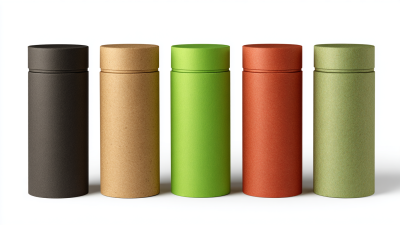
Cylindrical boxes come in various materials. Among these, cardboard stands out for its versatility. Cylindrical Cardboard Boxes are lightweight, making them easy to ship. They offer protection for delicate items. Their shape suits many uses, from packaging gifts to storing crafts.
Plastic is another common material. It provides moisture resistance, which is ideal for food storage. Transparent plastic boxes allow visibility of contents. This makes organization simpler. However, environmental concerns about plastic linger.
Metal options also exist, providing excellent durability. They can rust over time, posing challenges. Moreover, they often serve decorative purposes. Customers enjoy aesthetic appeal but may find options limited. Each material comes with strengths and weaknesses. The choice depends on the intended use and sustainability perspective.
What is a Cylindrical Box and its Uses? - Common Materials Used in Cylindrical Boxes
| Material |
Common Uses |
Advantages |
Disadvantages |
| Cardboard |
Packaging, Gifts |
Lightweight, Cost-effective |
Less durable, Vulnerable to moisture |
| Metal |
Storage, Food Containers |
Strong, Long-lasting |
Heavier, Higher cost |
| Plastic |
Toys, Household Items |
Versatile, Resistant to moisture |
Environmental concerns, Can be less sturdy |
| Glass |
Storage, Decorative |
Aesthetic appeal, Non-reactive |
Fragile, Heavier |
| Wood |
Crafts, Storage |
Sturdy, Attractive |
Weight, Cost |
Different Sizes and Capacities of Cylindrical Boxes
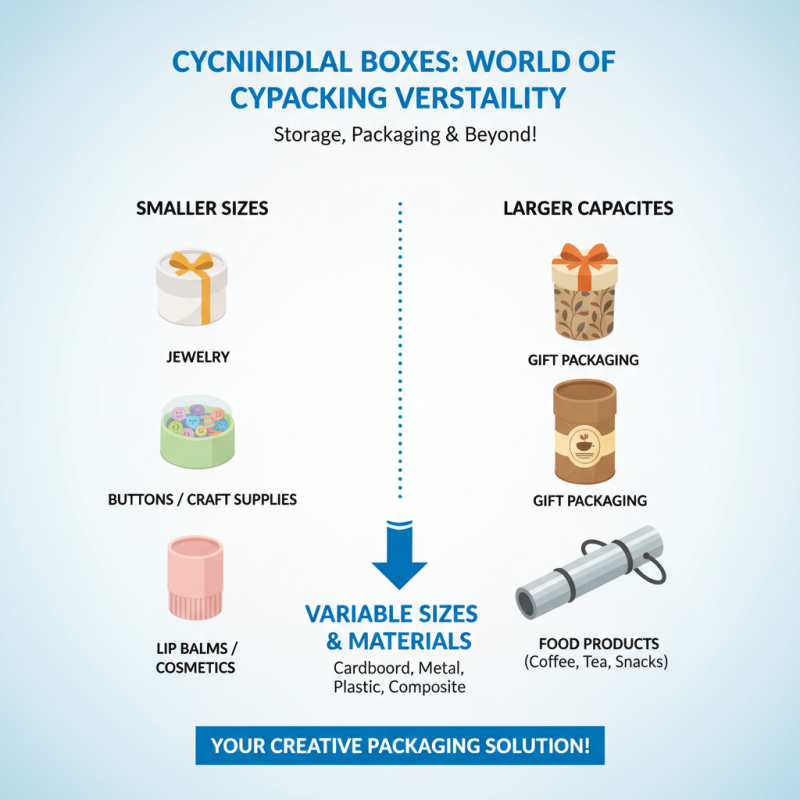
Cylindrical boxes come in various sizes and capacities, making them versatile. These boxes are often used for storage or packaging items. Small cylindrical boxes can hold items like jewelry or buttons. Larger ones may carry gifts or food products.
China Cylindrical Boxes are particularly sought after for their craftsmanship. They can vary from tiny containers to giant storage options. The design can differ, matching various needs. While some are plain, others feature intricate artwork. This variety serves different markets and customers.
Some users may struggle when choosing the right size. A box that is too small may not fit the items well. Conversely, an oversized box can waste space. Selecting the appropriate capacity requires careful thought. Even with the many choices available, finding the perfect match can be a challenge.
Applications of Cylindrical Boxes in Various Industries
Cylindrical boxes are versatile containers used in various industries. They can hold different products, from food items to industrial components. Their design allows for easy stacking and storage. This feature is vital, as it maximizes space efficiency in warehouses, a key concern for logistics.
In the food industry, cylindrical boxes are often used for packaging snacks and beverages. According to a recent report, the global rigid packaging market is projected to reach $200 billion by 2025. The durability of cylindrical boxes ensures product safety and freshness. However, not all designs prioritize ease of opening, which can frustrate consumers.
In the cosmetic sector, these boxes serve a different purpose. They contribute to a brand's appeal and sustainability efforts. Many consumers prefer eco-friendly packaging. Stats indicate that 73% of buyers are willing to pay more for sustainable products. But, some cylindrical boxes fail to deliver on this expectation, lacking recyclable materials.
Tips: Always consider the end-user experience when designing cylindrical boxes. The shape is appealing, but function matters. Check for reproducibility in manufacturing. Collaborating with a reliable Cylindrical Boxes Factory can ensure consistency and quality, but quality checks are essential to avoid defects.
Advantages of Using Cylindrical Boxes
Cylindrical boxes are versatile storage solutions used across various industries. Their design allows for efficient space utilization. The round shape fits well in tight corners. These boxes are easy to stack or store in cabinets. Plus, they provide robust protection for items inside.
One significant advantage of cylindrical boxes is their ability to reduce wasted space. Unlike square boxes, they fit snugly in odd spaces. This is especially helpful in warehouses or while packing for a move. Their uniform shape makes them easy to handle, tipping over is less likely. Some may find that they can roll away if not stored correctly.
Cylindrical boxes also come in various materials, adding to their usability. From lightweight cardboard to sturdy metal, choices are abundant. They can be customized or decorated for special occasions. However, some users struggle to find the right size for specific needs. This sometimes leads to buying multiple boxes. Reflecting on this, it can be beneficial to measure items before purchasing.
Comparison with Other Box Shapes and Designs
Cylindrical boxes are often compared to rectangular and square designs. Each shape has distinct advantages and disadvantages. For instance, cylindrical boxes can maximize internal space. In contrast, rectangular boxes are easier to stack but can waste space. According to industry reports, 70% of packaging waste comes from inefficient designs.
One advantage of cylindrical boxes is their strength. This shape distributes pressure evenly, making them ideal for shipping fragile items. However, they may not fit well in traditional shelving. This could lead to wasted space in warehouses. Some studies indicate that around 25% of warehouse space is underutilized due to improper box shapes.
Cylindrical boxes are aesthetically pleasing and often used for gift packaging and candles. They have a unique appeal that catches the eye. Yet, their production may involve more materials than simpler shapes. As consumers become more eco-conscious, this is a point of concern. Balancing design, cost, and environmental impact continues to challenge manufacturers.
FAQS
: The article aims to provide useful information and insights on a specific topic.
Anyone interested in the topic can find value, including beginners and experienced individuals.
The article includes both basic facts and in-depth analysis, though some points may lack clarity.
Yes, there are various practical tips, but some may require further exploration for better understanding.
Most of the language is straightforward, but some sections may feel complex or dense.
The article includes examples, but they may not cover all possible scenarios or applications.
The information may not always reflect the latest developments, so it’s good to check other sources.
Yes, some advice might not apply universally and requires personal consideration.
Feel free to look for more information or ask experts in the field for clarification.
The article is written for a general audience, but it may resonate more with specific groups.
Conclusion
Cylindrical boxes are specialized containers characterized by their rounded shape, designed to efficiently store and transport various items. These boxes exhibit unique physical characteristics, such as a uniform diameter along their height, which distinguishes them from traditional rectangular containers. Commonly manufactured from an array of materials including cardboard, metal, and plastic, cylindrical boxes are available in diverse sizes and capacities to accommodate different needs.
The applications of cylindrical boxes span across various industries, including food, retail, and manufacturing, due to their versatility and aesthetic appeal. They provide several advantages, such as ease of stacking and enhanced protection for contents, making them a preferred choice for packaging purposes. When compared to other box shapes and designs, cylindrical boxes offer distinct benefits that cater to specific storage and shipping requirements, demonstrating their significance in both commercial and industrial contexts.

 All Products
 Sushi Push Pop
 Round Paper Tube
 Deodorant/Lip Balm Paper Packaging
 Make Up Paper Packaging
 Perfume Paper Packaging
 Skincare Paper Packaging
 CBD Paper Packaging
 Food Paper Packaging
 Square Paper Box
 Paper Bag & Sticker