In today’s fast-moving world of e-commerce, picking the right packaging stuff is pretty darn important for your business to really succeed. One key thing that can make a big difference in how smoothly your shipments go and how happy your customers are is choosing the right shipping box. A good box not only keeps your products safe during the journey but also shows your brand cares about quality and pays attention to the little details. As you’re gearing up for 2025, understanding how to pick the perfect shipping box for your needs is more important than ever.
Honestly, the best shipping box isn’t one-size-fits-all. It really depends on what you're shipping, how you're getting it there, and what your customers expect. Things like the size, the material, and even the design matter a ton when it comes to making sure your stuff arrives in perfect shape and beats customer expectations. By exploring the different types of boxes out there, businesses can actually save some money, cut down on waste, and get smarter about their packaging game. With a bit of know-how and a thoughtful approach, you can make choices that not only protect your products but also turn the unboxing into a little moment of joy for your customers.

Understanding Your Business Shipping Requirements
Understanding your business shipping requirements is crucial for choosing the best shipping boxes that fit your operational needs. According to a study by the International Data Corporation, shipping efficiency, including packaging, can significantly impact overall operational costs, accounting for up to 30% of logistics expenses. Businesses need to analyze their product dimensions, weight, and fragility to determine suitable packaging materials and box sizes. For instance, overpacking can lead to increased shipping costs and environmental waste, whereas underpacking can result in damage and returns.
Moreover, the rise of e-commerce has shifted shipping demands, with reports from the National Retail Federation indicating that nearly 90% of companies saw an increase in parcel shipping volumes due to online sales. This trend necessitates that businesses not only choose cost-effective shipping boxes but also consider delivery times and customer satisfaction. By adopting box designs that enhance protection while optimizing shipping weight, businesses can meet consumer expectations more effectively. This understanding allows businesses to align their shipping methods with logistical strategies and customer experiences, ultimately supporting their bottom lines.
Exploring Different Types of Shipping Boxes
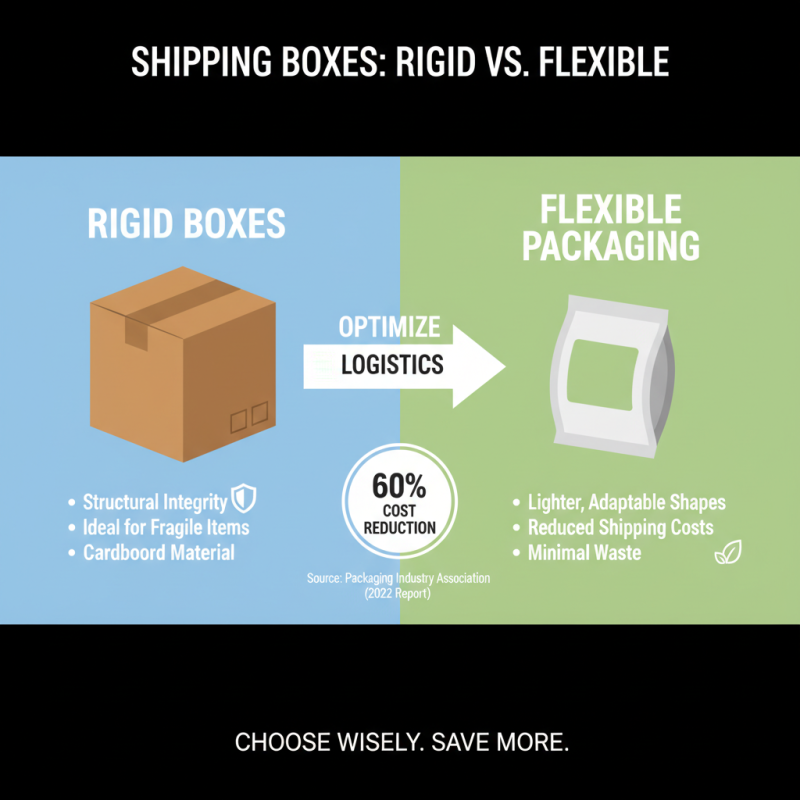
When it comes to shipping products, the choice of boxes can greatly impact both cost and delivery efficiency. Understanding the different types of shipping boxes available is essential for businesses seeking to optimize their logistics. The two primary categories are rigid boxes and flexible packaging. Rigid boxes, made from materials like cardboard, provide structural integrity, making them ideal for fragile items. On the other hand, flexible packaging is lighter and can adapt to various shapes, which could reduce shipping costs and minimize waste. According to a 2022 report by the Packaging Industry Association, nearly 60% of businesses have reported reduced shipping costs by employing the right shipping materials.
Choosing the right size of box is equally important. A box that is too large can lead to a higher dimensional weight charge, while a box that is too small risks damage to the contents. The objective is to find a balance that minimizes space waste and ensures product safety. The International Shipping Federation states that utilizing the appropriate box sizes can lead to savings of up to 20% in shipping fees.
**Tips:** Always measure your products accurately and consider using custom-sized boxes for unique items. Additionally, exploring eco-friendly packaging options can improve your brand's sustainability image while potentially lowering costs, as demand for environmentally conscious solutions is steadily increasing among consumers.
Factors to Consider When Choosing a Shipping Box
When selecting the best shipping box for your business needs, several factors should be taken into account to ensure your products arrive safely and efficiently. One of the primary considerations is the size of the box. It is essential to choose a box that is appropriately sized for the items being shipped; a box that is too large may allow products to shift during transit, increasing the risk of damage, while a box that is too small may not accommodate the items comfortably.
Another critical factor is the material of the shipping box. Different materials offer varying levels of durability and protection. For instance, corrugated cardboard boxes provide excellent strength and cushioning, making them suitable for shipping fragile items. Additionally, consider the environmental impact of the materials used. ECO-FRIENDLY packaging options are increasingly important to businesses and consumers alike, potentially enhancing your brand's reputation while contributing to sustainability efforts.
Finally, the design of the shipping box can play a significant role in the overall shipping experience. Features such as easy-open designs, secure closures, and the ability to customize with branding can enhance both functionality and customer satisfaction. Thoughtfully choosing a shipping box that aligns with these criteria can not only protect your products but also elevate your brand image in the eyes of your customers.
Calculating the Right Size for Your Shipping Box
When it comes to choosing the best shipping box for your business needs, calculating the right size is crucial to protecting your products and minimizing shipping costs. A well-fitted box not only ensures your items arrive safely but also optimizes space within shipping containers, which can lead to significant savings. Begin by measuring the dimensions of the products you intend to ship, taking into account their height, width, and depth. Once you have these measurements, add a buffer space of at least one inch on each side to accommodate packing materials and cushion the items during transit.
Tips: Always consider the weight of the contents as well. A heavier item will need a sturdier box to prevent damage during shipping. If you frequently ship various sizes, investing in a range of box sizes can help streamline your shipping process, allowing you to pick the perfect fit for each order. Additionally, use packing materials like bubble wrap or packing peanuts to fill any voids in the box, ensuring that the items do not shift during transit.
When calculating the right box size, think about the shipping method you’ll use as well. Different carriers have specific pricing based on dimensions and weight, so understanding how box size impacts shipping costs can inform your decisions. Ideally, select a box that minimizes dimensional weight while providing ample protection. This strategy not only saves you money but also enhances the overall customer experience by ensuring that products arrive in pristine condition.
2025 How to Choose the Best Shipping Box for Your Business Needs - Calculating the Right Size for Your Shipping Box
| Box Type |
Dimensions (inches) |
Weight Capacity (lbs) |
Best For |
| Regular Slotted Container |
12 x 12 x 12 |
30 |
General goods |
| Flat Rate Box |
12 x 10.5 x 5.5 |
70 |
Books, documents |
| Mailer Box |
8.5 x 11 x 2 |
5 |
Jewelry, small items |
| Shipping Tube |
36 x 4 |
10 |
Posters, blueprints |
| Padded Mailer |
10 x 13 |
1 |
Fragile items |
Assessing Box Materials for Durability and Cost
When selecting a shipping box for your business, durability and cost are pivotal factors influenced by the material used. According to the Freedonia Group, the demand for corrugated boxes is expected to grow by 3.5% annually through 2025. This growth is attributed to the material's strength and cost-effectiveness, as corrugated boxes offer excellent protection for a variety of products while remaining lightweight, which helps in reducing shipping costs. Additionally, recycled materials are becoming a preferred choice, contributing to sustainability and cost savings in logistics.
When evaluating box materials, it's essential to consider the weight-bearing capacity and the environmental impact. For instance, double-wall corrugated boxes provide higher durability for heavier shipments, while single-wall boxes are suitable for lighter goods. A study from the Paper and Paperboard Packaging Environmental Council indicates that corrugated packaging is 100% recyclable and can significantly lower carbon footprints when sourced locally.
**Tips:** Always conduct a drop test to assess the box's integrity under real-world shipping conditions. Furthermore, consider the life cycle of the material; using biodegradable or recyclable materials can enhance brand reputation among eco-conscious consumers. Lastly, staying informed about industry trends and materials innovation can further optimize your shipping strategy.
2025 Shipping Box Materials Durability and Cost Comparison
Eco-Friendly Shipping Box Options for Businesses
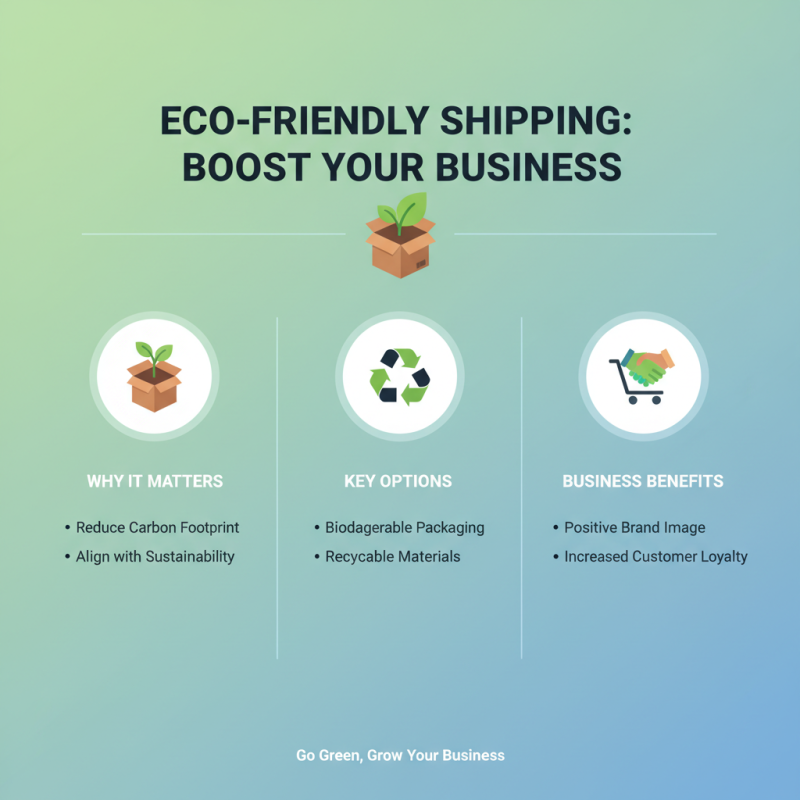
In today's environmentally conscious market, choosing eco-friendly shipping boxes is crucial for businesses aiming to reduce their carbon footprint. Options such as biodegradable packaging and recyclable materials can not only align with sustainability goals but also resonate well with eco-minded consumers. Transitioning to these alternatives fosters a positive brand image and can even lead to increased customer loyalty.
When selecting eco-friendly shipping boxes, consider the material. Boxes made from recycled cardboard or sustainably sourced paper minimize environmental impact while still offering durability and protection for products in transit. Additionally, look for options that are designed for easy recycling, ensuring that they are disposed of responsibly after use.
**Tips:** Always measure your products accurately to reduce excess space, which minimizes the need for additional filler materials. Additionally, consider the design of your packaging. Using fewer resources by opting for minimalist designs can significantly enhance eco-friendliness while still maintaining an appealing presentation for your customers. Finally, evaluate suppliers that prioritize sustainability in their manufacturing processes to support a greener supply chain.
Cost-Effective Strategies for Sourcing Shipping Boxes
When sourcing shipping boxes for your business, cost-effectiveness should be a top priority. Start by assessing your packaging needs based on the products you sell. Understanding the dimensions, weight, and fragility of your items will help you determine the most suitable box sizes and materials. Using standardized box sizes can lead to savings on shipping costs, as carriers often base their pricing on dimensional weight.
Next, consider bulk purchasing options from reputable suppliers. Many companies offer discounts for bulk orders, which can significantly reduce your overall packaging expenses. Don’t forget to explore eco-friendly materials; these options can sometimes be more cost-effective in the long run while also enhancing your brand's appeal.
Additionally, leveraging local suppliers can cut down on shipping fees and expedite delivery times, allowing you to maintain efficient operations. Always compare prices from multiple vendors and seek out promotions to ensure you get the best deal on your shipping boxes.
FAQS
: Consider the size of the box, the material, and the design. It's essential to choose a size that fits your items well, select materials that offer durability and protection, and consider design features that enhance customer satisfaction.
Measure the dimensions of your products (height, width, depth) and add at least one inch on each side for packing materials. This buffer space helps cushion the items during transit.
A well-fitted box protects your items and minimizes shipping costs by optimizing space within shipping containers, helping to avoid extra charges related to dimensional weight.
Corrugated cardboard is a great option for its strength and cushioning, especially for fragile items. Also, consider eco-friendly materials to support sustainability.
Features such as easy-open designs, secure closures, and customizable branding can enhance functionality and satisfaction, improving the overall shipping experience for customers.
Use packing materials like bubble wrap or packing peanuts to fill any voids in the box, ensuring your items don’t shift during transit, which helps prevent damage.
Heavier items require sturdier boxes to prevent damage during shipping, so consider both the weight and size of your products when selecting a box.
Select a box that minimizes dimensional weight while providing sufficient protection for your items, which can lead to cost savings with various carriers.
Yes, having a range of box sizes can streamline your shipping process, allowing you to pick the best fit for each order, reducing the risk of damages and costs.
Using eco-friendly packaging materials not only protects the environment but can also enhance your brand’s reputation among environmentally-conscious consumers.
Conclusion
Choosing the right shipping box is crucial for meeting your business needs effectively. Understanding your shipping requirements is the first step, as different products may necessitate specific box types. Exploring various shipping box options helps identify those that align with your operational goals. When selecting a shipping box, consider factors such as size, material durability, and cost-effectiveness.
Calculating the right size is vital to prevent damage during transit and reduce shipping costs. Assessing box materials for their strength and price ensures that you make economically sound decisions. Additionally, embracing eco-friendly shipping box options can enhance your brand’s sustainability efforts. Finally, implementing cost-effective strategies for sourcing shipping boxes will help optimize your budget while maintaining quality. Overall, the right shipping box can significantly impact your logistics and customer satisfaction.

 All Products
 Sushi Push Pop
 Round Paper Tube
 Deodorant/Lip Balm Paper Packaging
 Make Up Paper Packaging
 Perfume Paper Packaging
 Skincare Paper Packaging
 CBD Paper Packaging
 Food Paper Packaging
 Square Paper Box
 Paper Bag & Sticker